
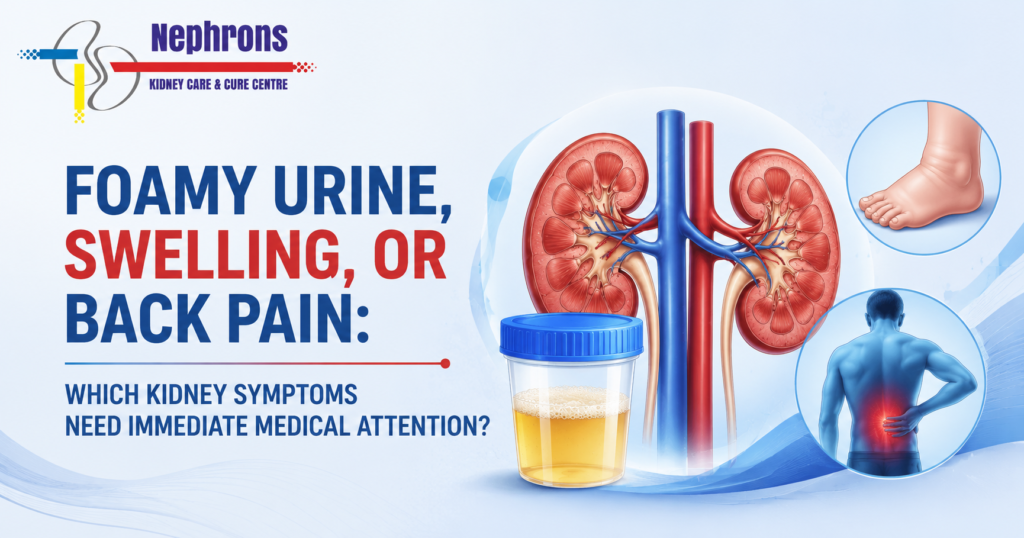
Your kidneys work around the clock to filter waste, remove excess fluids, balance minerals, and regulate blood pressure. However, kidney problems often develop silently, with few or no symptoms in the early stages. By the time noticeable signs appear, the kidneys may already have suffered significant damage.
Symptoms such as foamy urine, swelling in the legs or face, and persistent back pain are often ignored or mistaken for minor health issues. While these symptoms do not always indicate kidney disease, they should never be overlooked. Consulting a Kidney Specialist at the right time can help identify the underlying cause and prevent serious complications. If you are also experiencing urinary symptoms such as painful urination or blood in the urine, seeking advice from the Best Urologist in Nashik may also be beneficial, depending on the diagnosis.
Why Recognizing Kidney Symptoms Early Matters
Kidney disease affects millions of people worldwide and is a growing public health concern. According to the International Society of Nephrology, approximately 850 million people worldwide are living with kidney disease, making it one of the leading causes of poor health globally.
The challenge is that early kidney disease often causes no obvious symptoms. Regular health checkups and paying attention to changes in your body can lead to earlier diagnosis and more effective treatment.
Foamy Urine: Should You Be Concerned?
Occasional foam in the toilet after urination may simply result from a fast urine stream. However, if your urine consistently appears foamy or bubbly, it could indicate excess protein in the urine, a condition known as proteinuria.
Healthy kidneys prevent important proteins from leaking into the urine. When the kidney filters become damaged, protein can pass through, creating persistent foam.
Common causes include:
- Chronic kidney disease
- Diabetes related kidney damage
- High blood pressure
- Kidney infections
- Glomerulonephritis
If foamy urine continues for several days or is accompanied by swelling or fatigue, it is important to consult a Kidney Specialist.
Swelling Can Be a Sign of Reduced Kidney Function
Swelling, also called edema, occurs when the kidneys cannot remove excess fluid effectively.
People commonly notice swelling in:
- Feet and ankles
- Hands
- Face, especially around the eyes
- Lower legs
The National Kidney Foundation explains that reduced kidney function can cause the body to retain sodium and water, leading to swelling.
Swelling may also result from heart disease, liver disease, or certain medications, which is why professional evaluation is important.
Back Pain: Is It Always Related to the Kidneys?
Many people assume that any pain in the lower back is caused by kidney problems. In reality, most lower back pain is related to muscles, joints, or the spine.
Kidney related pain usually:
- Occurs higher than typical lower back pain
- Is felt on one or both sides below the ribs
- May remain constant rather than changing with movement
- Can occur alongside fever, nausea, painful urination, or blood in the urine
Kidney stones and kidney infections are among the most common causes of kidney pain.
If back pain is severe, persistent, or accompanied by urinary symptoms, seek immediate medical attention.
Other Kidney Symptoms You Should Never Ignore
While foamy urine, swelling, and back pain are common warning signs, several other symptoms may also indicate kidney disease.
Watch for:
- Blood in the urine
- Frequent urination, especially at night
- Pain or burning while urinating
- Persistent fatigue
- Loss of appetite
- Nausea or vomiting
- Difficulty concentrating
- High blood pressure that remains difficult to control
According to the National Institute of Diabetes and Digestive and Kidney Diseases (NIDDK), chronic kidney disease often develops gradually and may not cause symptoms until kidney function has significantly declined.
When Should You See a Kidney Specialist?
Many kidney conditions respond well to treatment when diagnosed early. Delaying medical care may allow the disease to progress to more advanced stages.
Consider seeing a Kidney Specialist if you experience:
- Persistent foamy urine lasting several days
- Swelling that does not improve
- Blood in the urine
- Severe pain in the kidney area
- Recurrent kidney stones
- High blood pressure with abnormal kidney function tests
- Diabetes combined with abnormal urine or blood reports
Your doctor may recommend blood tests, urine analysis, ultrasound imaging, or additional investigations to identify the underlying cause.
How Kidney Problems Are Diagnosed
Diagnosing kidney disease usually involves a combination of medical history, physical examination, and laboratory tests.
Common investigations include:
- Blood tests to measure creatinine and estimate kidney function (eGFR).
- Urine tests to check for protein, blood, or infection.
- Ultrasound scans to evaluate kidney size and structure.
- Blood pressure measurement.
- Additional imaging or kidney biopsy when required.
The Centers for Disease Control and Prevention (CDC) estimates that about 35.5 million adults in the United States have chronic kidney disease, and many remain undiagnosed because symptoms often appear late.
Protecting Your Kidneys Every Day
Healthy lifestyle habits can significantly reduce the risk of kidney disease and slow its progression.
Some practical steps include:
- Keep diabetes and blood pressure under control.
- Drink adequate water unless your doctor advises otherwise.
- Maintain a healthy weight.
- Avoid smoking.
- Limit excessive salt intake.
- Exercise regularly.
- Avoid frequent use of unnecessary painkillers without medical advice.
- Schedule routine health checkups if you have diabetes, hypertension, or a family history of kidney disease.
Small changes today can make a big difference in preserving kidney health for years to come.
Do Not Ignore the Warning Signs
Although symptoms such as foamy urine, swelling, and back pain may have many possible causes, they should never be dismissed, especially if they persist or worsen. Early diagnosis allows treatment to begin before permanent kidney damage develops.
If you notice these warning signs, consulting a Kidney Specialist promptly can help identify the cause, relieve symptoms, and protect your long term kidney health.
Expert Kidney Care with Dr. Pranav Chhajed
When it comes to kidney health, early diagnosis and expert care can make a significant difference. Dr. Pranav Chhajed provides comprehensive evaluation and treatment for kidney diseases, chronic kidney disease, kidney stones, high blood pressure related kidney problems, protein in urine, and other renal disorders. If you are looking for a trusted Kidney Specialist in Nashik, Dr. Pranav Chhajed offers personalized care, advanced diagnostic services, and evidence based treatment plans to help you maintain healthy kidneys and improve your overall quality of life.
Hashtags
#KidneyHealth #KidneyDisease #KidneySpecialist #ChronicKidneyDisease #FoamyUrine #KidneyCare #KidneyAwareness #HealthyKidneys #Nephrology #DrPranavChhajed #PreventKidneyDisease #HealthEducation

Leave a Reply