
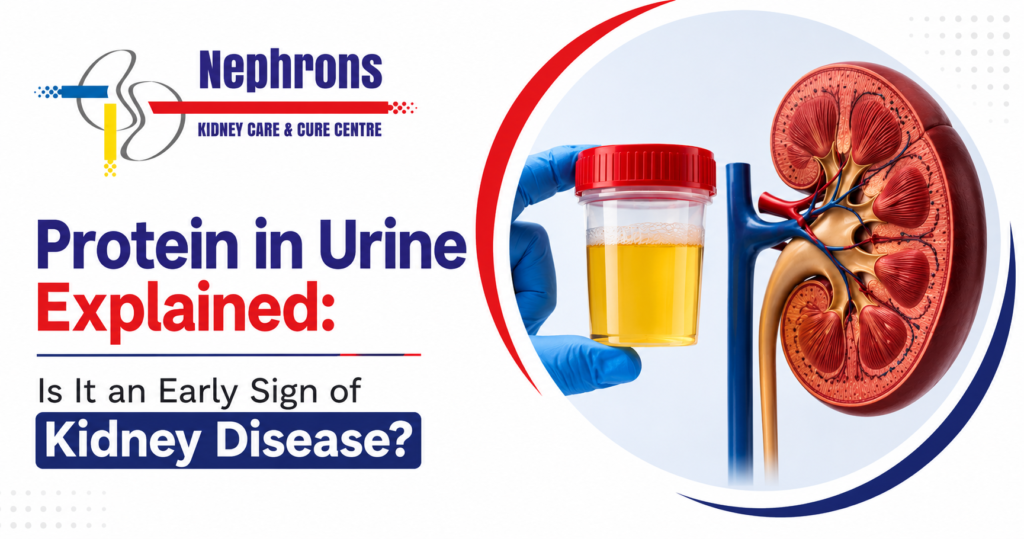
Finding protein in your urine can be worrying, especially if it appears unexpectedly during a routine health checkup. While a small amount of protein in the urine may not always indicate a serious problem, persistent or excessive protein leakage can be an early warning sign of kidney disease. Recognizing the cause early and seeking timely medical advice can help prevent long term kidney damage.
If your urine test shows protein, it is important not to panic. Instead, consult a healthcare professional who can determine the underlying cause and recommend appropriate treatment. If you are looking for the Best Urologist in Nashik, understanding your test results is an important first step before further evaluation. In many cases, a Kidney Specialist such as Dr. Pranav Chhajed plays a vital role in diagnosing and managing kidney related conditions before they progress.
What Does Protein in Urine Mean?
Healthy kidneys contain tiny filtering units called glomeruli. These filters allow waste products and excess fluids to pass into the urine while keeping essential substances like protein in the bloodstream.
When these filters become damaged or inflamed, protein can leak into the urine. This condition is known as proteinuria.
Proteinuria is not a disease itself but a sign that your kidneys may not be functioning properly. Sometimes, protein in the urine is temporary and harmless, while persistent proteinuria often requires further evaluation by a Kidney Specialist.
According to the National Kidney Foundation, protein in the urine is one of the earliest indicators of chronic kidney disease and should always be evaluated if it persists.
Source: https://www.kidney.org/kidney-topics/proteinuria-protein-urine
What Causes Protein in Urine?
Proteinuria can occur due to several temporary or long term conditions.
Common temporary causes include:
- Dehydration
- Fever
- Intense physical exercise
- Emotional stress
- Pregnancy
Persistent causes may include:
- Diabetes
- High blood pressure
- Chronic kidney disease
- Glomerulonephritis
- Kidney infections
- Autoimmune diseases such as lupus
- Certain medications
Because many conditions can lead to proteinuria, proper diagnosis is essential before starting treatment.
Symptoms Associated with Proteinuria
Many people with early proteinuria do not notice any symptoms. This is one reason why regular health checkups are so important.
As kidney damage progresses, symptoms may include:
- Foamy or bubbly urine
- Swelling in the feet, ankles, hands, or face
- Frequent urination, especially at night
- Fatigue
- Loss of appetite
- Unexplained weight gain due to fluid retention
These symptoms should never be ignored, particularly if you have diabetes or high blood pressure.
Is Protein in Urine Always a Sign of Kidney Disease?
Not necessarily.
Temporary proteinuria may occur after strenuous exercise, dehydration, or illness and often resolves once the underlying condition improves.
However, persistent proteinuria that continues over multiple tests is more concerning and may indicate early kidney damage.
According to the National Institute of Diabetes and Digestive and Kidney Diseases (NIDDK), urine albumin testing combined with blood tests such as creatinine and eGFR provides a more accurate assessment of kidney health.
Source: https://www.niddk.nih.gov/health-information/kidney-disease/kidney-tests
This is why doctors usually repeat urine testing before making a diagnosis.
How Is Protein in Urine Diagnosed?
If protein is detected in your urine, your doctor may recommend additional tests to identify the cause.
These may include:
- Urine Albumin to Creatinine Ratio (UACR)
- Routine urine examination
- Blood creatinine test
- Estimated Glomerular Filtration Rate (eGFR)
- Kidney ultrasound
- Blood pressure evaluation
- Blood sugar testing
Together, these investigations help determine whether kidney damage is present and how severe it may be.
Why Early Detection Matters
Kidney disease often develops silently over several years. Many patients experience no noticeable symptoms until significant kidney damage has already occurred.
Early diagnosis offers several important benefits:
- Slows the progression of kidney disease.
- Reduces the risk of kidney failure.
- Helps control blood pressure more effectively.
- Improves long term kidney function.
- Reduces the chances of cardiovascular complications.
The Centers for Disease Control and Prevention (CDC) reports that chronic kidney disease affects millions of adults worldwide, and many remain undiagnosed because symptoms appear late.
How Can Proteinuria Be Treated?
Treatment depends entirely on the underlying cause.
If diabetes or hypertension is responsible, controlling these conditions becomes the primary goal.
A Kidney Specialist may recommend:
- Blood pressure medications such as ACE inhibitors or ARBs
- Better diabetes management
- Dietary modifications
- Salt restriction
- Weight management
- Regular kidney function monitoring
- Treatment of underlying kidney disorders
Following your treatment plan consistently can significantly reduce further kidney damage.
Lifestyle Changes That Protect Kidney Health
Healthy lifestyle habits can help support kidney function and reduce the progression of kidney disease.
Some practical recommendations include:
- Drink adequate water unless your doctor advises otherwise.
- Control blood sugar and blood pressure.
- Limit processed foods and excess salt intake.
- Exercise regularly.
- Maintain a healthy weight.
- Avoid smoking and excessive alcohol consumption.
- Take medications only under medical supervision.
Regular follow up with a Kidney Specialist is equally important, especially if you have diabetes, hypertension, or a family history of kidney disease.
When Should You Consult a Kidney Specialist?
Many people delay seeking medical advice because they feel perfectly healthy. However, early consultation can prevent serious complications.
You should consult a Kidney Specialist if you experience:
- Protein detected in more than one urine test
- Persistent foamy urine
- Swelling in the legs or face
- High creatinine levels
- Reduced eGFR
- Diabetes with abnormal kidney reports
- High blood pressure that remains uncontrolled
- Family history of kidney disease
Prompt evaluation allows treatment to begin before irreversible kidney damage occurs.
Conclusion
Protein in the urine should never be ignored, especially when it persists over time. While temporary proteinuria can occur due to exercise, dehydration, or illness, persistent protein leakage may be an early sign of kidney disease that requires expert evaluation. Early diagnosis, timely treatment, and healthy lifestyle choices can help preserve kidney function and improve overall health.
If you are looking for an experienced Kidney Specialist in Nashik, Dr. Pranav Chhajed provides comprehensive evaluation, advanced diagnostic services, and personalized treatment for proteinuria, chronic kidney disease, diabetic kidney disease, hypertension related kidney disorders, and other renal conditions. With a patient centered approach and evidence based care, Dr. Pranav Chhajed is committed to helping patients protect their kidney health through early diagnosis, effective treatment, and long term management.
Hashtags
#KidneyHealth #KidneySpecialist #Proteinuria #ChronicKidneyDisease #KidneyCare #HealthyKidneys #KidneyDiseaseAwareness #Nephrology #DrPranavChhajed #PreventKidneyDisease

Leave a Reply